

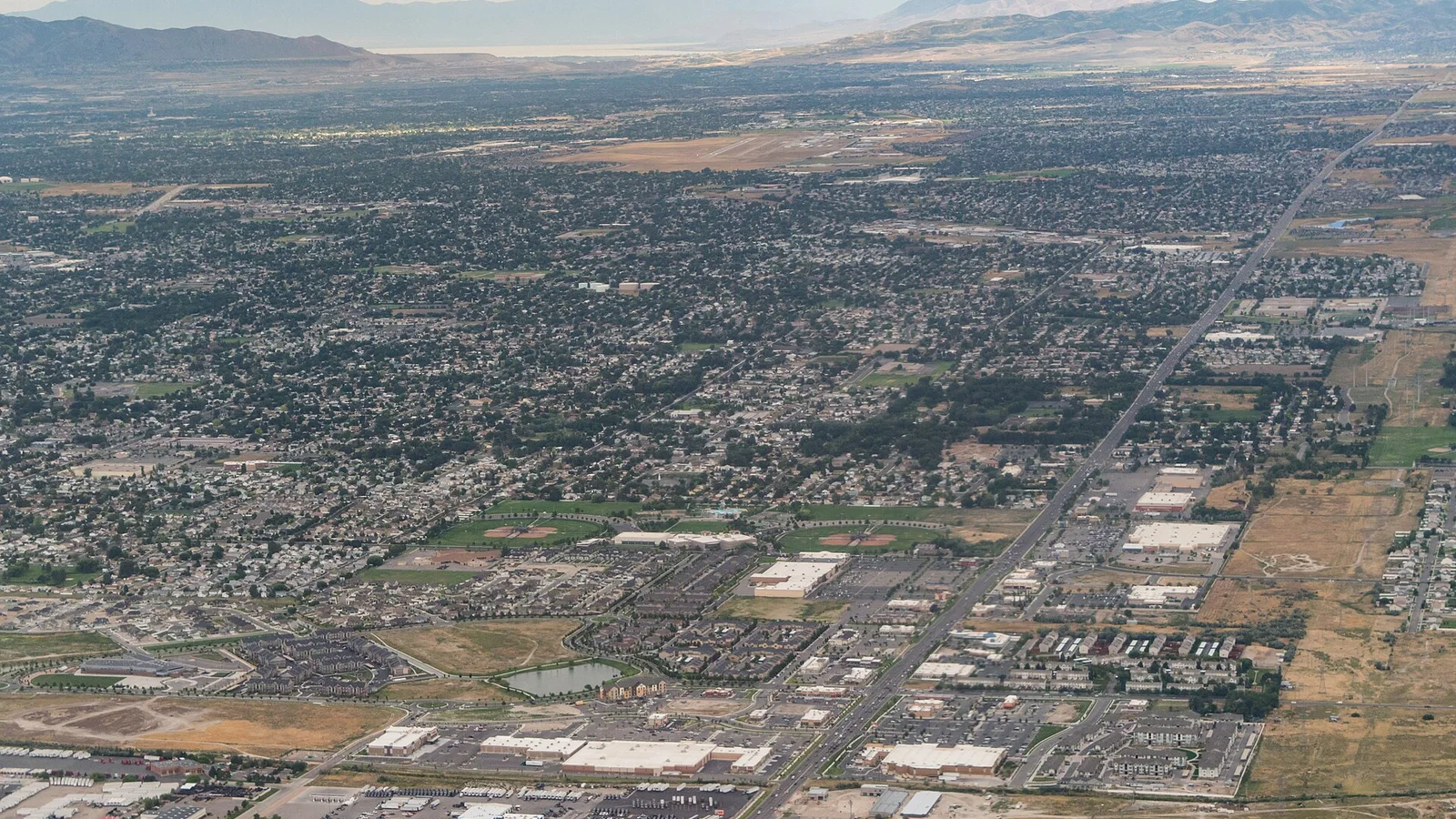
OneMain Financial, one of the country’s largest nonbank installment lenders and a big name in loans for people with less-than-perfect credit, just got the green light to open its own bank. On November 17, 2026, the FDIC approved deposit insurance for OneMain Bank, and Utah’s Department of Financial Institutions conditionally approved its charter as a Utah industrial bank based in West Valley City.
If you have a OneMain loan, or you’ve thought about one, you may be wondering whether this changes your rate, your payment, or your protections. The short answer: not yet, and maybe less than the word “bank” suggests.
What was approved
OneMain describes itself as “the leader in offering nonprime consumers responsible access to credit.” In its announcement, the company said the bank should open “in approximately one year” and will offer personal loans, auto finance, and credit cards nationwide. Chairman and CEO Doug Shulman called it “an important new chapter in our evolution as a financial services company.”
The FDIC attached conditions. According to its order and statement, the bank must start with at least $341 million in paid-in capital and keep a leverage ratio of at least 15%. The approval expires if deposit insurance isn’t in effect within 12 months, unless the FDIC grants an extension.
The FDIC also spelled out how the bank will work. It will make personal loans, auto loans, and credit cards, funded mostly by brokered deposits plus a small amount of retail savings deposits. It will have no branches during its startup period, and it will sell most of the loans it makes to OneMain within two days. OneMain’s storefront offices, more than 1,300 of them by the company’s count, won’t count as bank branches.
What changes for borrowers, and what doesn’t
For now, nothing changes. The bank isn’t open, and current OneMain loans keep the terms you signed.
Down the road, a bank charter gives OneMain a new way to fund its lending: insured deposits instead of more expensive borrowing. The National Community Reinvestment Coalition, which opposed the application, argued in a 2025 comment letter that this would significantly change OneMain’s risk profile, Banking Dive reported. Cheaper funding may help the company’s bottom line. Whether any of those savings reach borrowers as lower rates is a business decision, and nothing in the approvals requires it.
If OneMain Bank does offer savings accounts, the standard protection applies: the FDIC insures deposits up to $250,000 per depositor, per insured bank, for each ownership category.
The add-on history worth knowing
The most consumer-relevant condition in the FDIC order is about add-on products. In May 2023, the Consumer Financial Protection Bureau ordered OneMain to pay $20 million, $10 million in refunds and a $10 million penalty, over findings that it deceived borrowers about needing add-ons to get a loan and failed to refund interest to about 25,000 customers who canceled within a promised “full refund period.” That order doubled the no-cost cancellation window for unused add-ons from 30 to 60 days. The FDIC now says the new bank must follow the same order if it finances optional add-on products.
In March 2026, New York Attorney General Letitia James and 12 other attorneys general sued OneMain, alleging it packed loans with credit insurance and membership products that borrowers didn’t understand or want. Those are allegations. OneMain called the suit meritless, saying “The states’ allegations are simply untrue” and that it will “litigate this case vigorously.”
Before you sign any personal loan
Whether the lender is a bank, a credit union, or a finance company, the same questions protect you:
- What’s the APR, and what’s the total I’ll repay over the life of the loan?
- What does the loan cost with no add-ons at all? Ask to see both versions side by side.
- If I cancel an add-on, how long do I have, and will I get back the interest too?
- Is there a penalty for paying the loan off early?
- Have I compared at least one other offer, such as a local credit union?
If you’re thinking about credit insurance so a loan won’t burden your family, ask what that coverage costs, then compare it with the price of your own term life policy, which protects your family well beyond one loan.
In my social work career, I’ve seen families focus on the monthly payment and miss what was added to the loan. Asking for the total cost in writing is the habit I’d start with.
The Bottom Line
As of November 21, 2026, OneMain Bank is approved but not open, and the company expects it to launch in about a year. The charter mostly changes how OneMain funds its loans. It doesn’t automatically lower rates, and the rules on add-ons carry over to the new bank. So before you borrow from anyone, ask yourself: do I know the total cost, and do I know exactly what’s in the loan? If you’d like more help sorting through borrowing decisions, check out the other guides on DailyFinancialNews.com.
AI transparency: I used AI to condense this from my notes and draft and reviewed it before posting. Facts and quotes belong to the original source.
Photo: Aerial view of West Valley City, Utah, cropped. Supercarwaar via Wikimedia Commons, CC BY-SA 4.0.
Sources and Further Reading
- FDIC, “FDIC Approves the Deposit Insurance Application for OneMain Bank, West Valley City, Utah,” November 17, 2026
- FDIC Board of Directors, OneMain Bank Order and Statement, November 17, 2026
- Utah Department of Financial Institutions, “Utah’s Commissioner of Financial Institutions Conditionally Approves The Industrial Bank Charter of OneMain Bank,” November 17, 2026
- OneMain Holdings, “OneMain Receives Approvals from UDFI and FDIC to Establish a Bank,” press release filed with the SEC, November 17, 2026
- Dan Ennis, “OneMain gets FDIC green light for ILC charter,” Banking Dive, November 18, 2026
- Consumer Financial Protection Bureau, “CFPB Orders Installment Lender OneMain to Pay $20 Million for Deceptive Sales Practices,” May 2023
- New York Attorney General, “Attorney General James Leads Bipartisan Coalition Suing Predatory Lender OneMain for Scheme to Trap Consumers in Debt,” March 16, 2026
- OneMain Holdings, “OneMain Issues Statement on Meritless Lawsuit Brought by States,” via MarketScreener, March 16, 2026
- FDIC, “Understanding Deposit Insurance”