

Tomorrow is Election Day, and if you have a 401(k), a few bond funds, or a little money in savings, you might be wondering whether you should do something before the results come in.
Some of the world’s biggest money managers have already made their choice. They’re waiting. On Oct. 31, the Financial Times ran the headline “Bond investors sit out ‘most consequential’ US midterm elections in years,” reporting that big fund managers are “pressing ‘pause’ as vote and economic data releases loom.”
That sounds dramatic. For most families, though, the right move this week is a lot less exciting than the headlines, and that’s a good thing.
What the Fed just did
The Federal Reserve met on Oct. 28 and left its benchmark rate alone, holding the target range at 3-3/4 to 4 percent. The vote was 10 to 2. Two members, Lisa D. Cook and Beth M. Hammack, wanted to raise rates by another quarter point. That followed a quarter point increase in September.
The Fed’s statement was blunt: “Inflation remains elevated.” It also said, “The accumulation of more information will help the Committee determine the policy stance appropriate to ensure a timely return of inflation to the Committee’s 2 percent goal.”
At his press conference, Chair Kevin Warsh was asked about the timing so close to the midterms. “So, politics played no role in the decision,” he said. He added, “But I will say it’s an information-rich interval in the coming period, having nothing to do with politics.”
Not everyone found the message clear. Yahoo Finance reported that JPMorgan economist Michael Feroli said the press conference “left something to be desired” and lacked “a simple explanation for why the committee didn’t tighten.” Former Kansas City Fed President Tom Hoenig was more direct: “I think this close to an election, the FOMC tends to want to not do anything.” He also said, “I think December will be a bigger test of who’s actually calling the shots.”
Why the professionals are waiting
Look at the calendar, and the pause makes sense for a bond trader. The midterms are Tuesday, Nov. 3. The October consumer price index, the government’s main inflation report, comes out Nov. 10. The Fed meets again Dec. 8 and 9.
That’s three big pieces of news in about five weeks. When you manage billions of dollars and your job is to bet on where rates go next, waiting a few weeks for better information is cheap. Being wrong in a big way is not.
Here’s the part that gets lost. A fund manager “sitting out” usually means holding off on new big bets. It doesn’t mean selling everything and hiding under the bed. And their timeline is measured in weeks. If you’re saving for retirement, your timeline is probably measured in decades.
What this means for a regular saver
You’re not running a bond desk. You’re trying to build something over time without getting knocked off course. A few things are worth knowing this week.
Bond funds can move when rates move. FINRA explains that when interest rates rise, bond prices generally fall. It calls the sensitivity of a bond’s price to a change in rates “duration risk.” If you own a bond fund in your 401(k), it helps to know roughly what kind of bonds it holds. You don’t need to act on that. You just need to understand why its value can wiggle around news like this.
Savings rates follow the Fed, but banks set their own. With the Fed on hold, nothing changed at the Fed level on Oct. 28. Your bank still decides what it pays on savings and CDs, so check your rate and shop around if it’s low.
Panic moves rarely pay. FINRA’s advice for turbulent markets is simple: “Avoid impulsive decisions when markets become volatile or economic conditions change.” Selling after a scary night of election coverage locks in whatever drop you just saw and leaves you guessing when to get back in.
A simple election week plan
- Leave your 401(k) mix alone unless your goals or timeline actually changed. Polls and returns aren’t a reason.
- Keep investing on schedule. Regular contributions, what FINRA calls dollar-cost averaging, mean you buy at many different prices instead of trying to pick the perfect day.
- Keep your emergency money safe and boring. Money you might need soon belongs in an insured bank savings account, not in the market.
- Rebalance on your calendar, not the news calendar. If you rebalance once or twice a year, keep doing that.
The Bottom Line
The big bond funds are waiting because they make short-term bets, and this week is full of unknowns. That’s their job. Your job is different. Keep saving, keep your emergency fund in a safe place, and give the election, the Nov. 10 inflation report, and the December Fed meeting time to play out. Over time, the families that do best are usually the ones that didn’t make a big move on a nervous Wednesday morning.
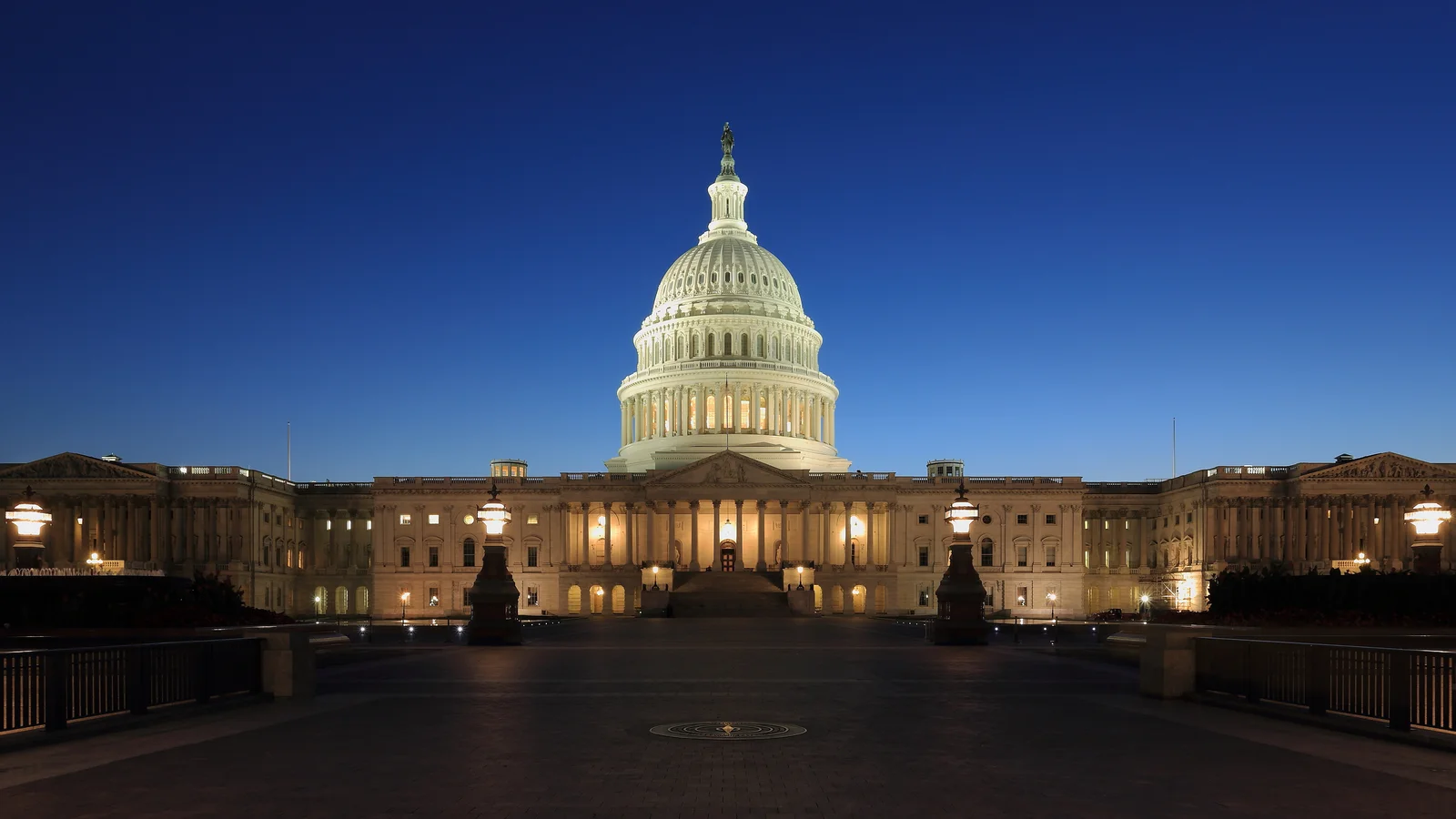
Photo: Martin Falbisoner via Wikimedia Commons, CC BY-SA 3.0.
Sources and Further Reading
- Financial Times, “Bond investors sit out ‘most consequential’ US midterm elections in years” (Oct. 31, 2026)
- Federal Reserve, FOMC statement (Oct. 28, 2026)
- Federal Reserve, FOMC statement (Sept. 16, 2026)
- Federal Reserve, Transcript of Chair Warsh’s press conference (Oct. 28, 2026) (PDF)
- Yahoo Finance, Jennifer Schonberger, on Chair Warsh’s latest press conference (Oct. 31, 2026)
- Federal Reserve, FOMC meeting calendar
- U.S. Bureau of Labor Statistics, Consumer Price Index release schedule
- FINRA, “Investor Tips for Turbulent Markets”