

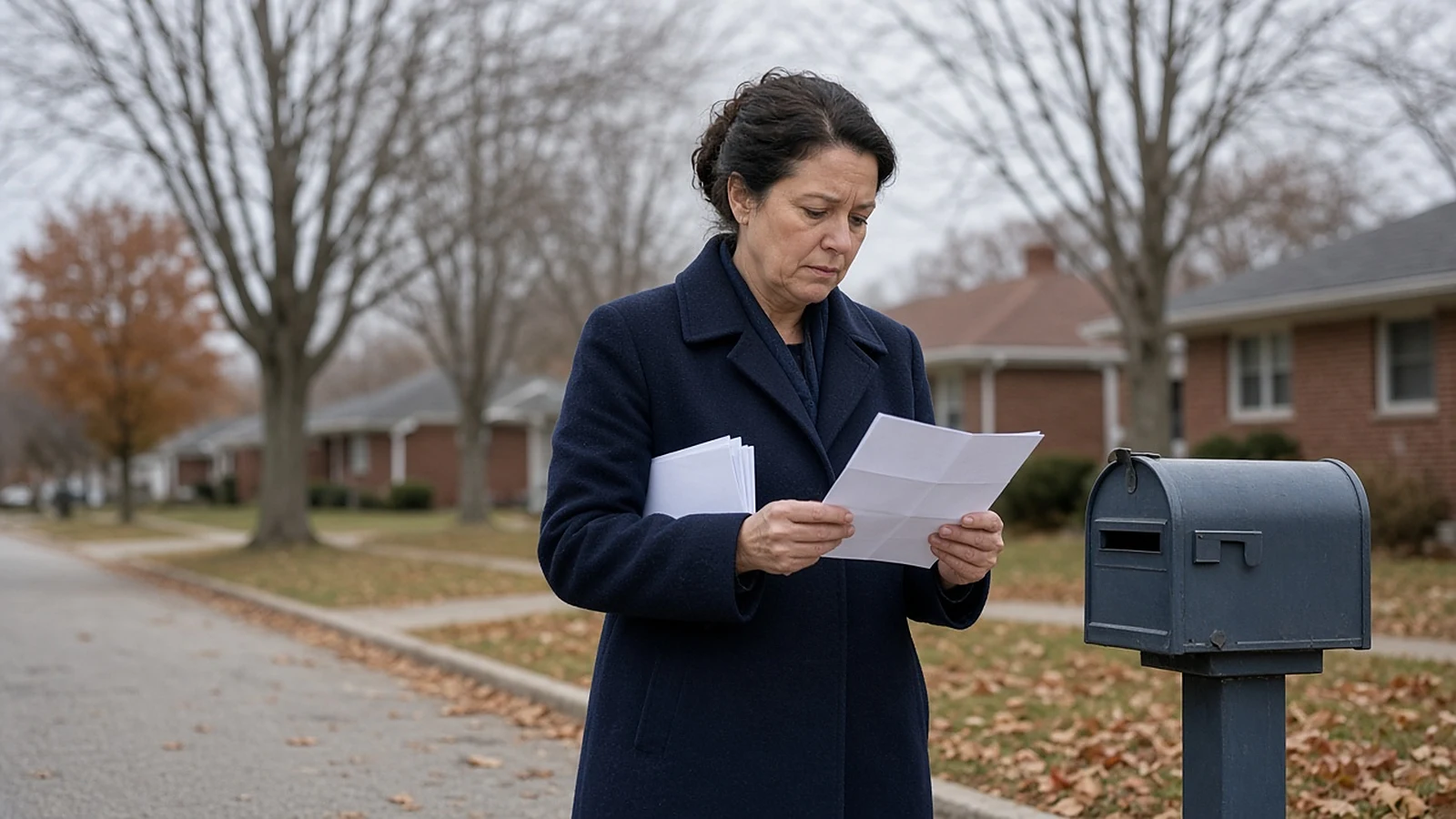
Most people toss the “This is not a bill” envelope from their health insurer without opening it. Sarah Prentice’s story is a good reason to stop.
The Royal Oak, Michigan, woman told WDIV Local 4 (ClickOnDetroit) that her insurer sent her 10 explanations of benefits, or EOBs, for medical care she never had. The first, in November of last year, was for cancer treatment. Her insurance company told her the claim was denied and that she shouldn’t worry. So she didn’t.
Then, this September, it came back to bite her. While she was sorting out a life insurance policy, she said the underwriters told her: “Hey, we are flagging it. You could potentially be denied because you have been treated for cancer.”
She has never had cancer treatment. When she dug in, she found claims for CPAP treatment, surgery in Colorado, care in Florida, and infusions as recently as July 2026. Her insurer had even paid some of the claims. The cancer-treatment claim traced back to a Florida medical equipment company she’d never heard of, and other claims linked to a local referring doctor she couldn’t match to a real person, even with the doctor’s national provider ID number. Local 4 said it reached out to the providers named in its story and had not heard back.
A few days earlier, the same station reported on a Canton woman who received 16 benefit statements for treatment she never had. Her insurer, UnitedHealthcare, told Local 4 a Florida provider had billed the claims in her name, that it denied them, and that she owes nothing.
Why a “denied” claim can still hurt you
Here’s the part that catches people off guard. A denied claim may mean you don’t owe money. It doesn’t mean the false information disappeared.
UnitedHealthcare’s statement explained that “an Explanation of Benefits is generated when a claim is processed, including when the claim is denied.” In Prentice’s case, the claims still showed up when a life insurer reviewed her history. The Federal Trade Commission’s guide to medical identity theft warns that it can lead not only to financial trouble but also to “denial of medical services or improper treatment,” which is why it urges people to correct their records.
How to read an EOB in two minutes
An EOB is your insurer’s summary of a claim someone sent in under your name. You don’t need to understand every code. Check four things:
- Patient name. Is it you, or a family member on your plan?
- Provider. Do you recognize the doctor, lab, or company? An out-of-state name you’ve never heard of is a red flag.
- Date of service. Were you actually seen that day?
- Service description. Did you get that test, equipment, or treatment?
If something doesn’t match, don’t wait for a second notice. Prentice was told not to worry about her first one, and it resurfaced about 10 months later. She has two decades of experience in the insurance industry, and it still caught her.
What to do if you find a claim you don’t recognize
The FTC’s checklist starts with three steps:
- Call your health insurer’s fraud department. Report every claim that doesn’t match and ask for your full claims history, not just the most recent EOB.
- Get your medical records. Contact each provider listed and ask for copies. Report errors and ask them to correct the records, with a copy of the page showing the mistake. If a provider doesn’t give you records or an explanation within 30 days of a written request, the FTC says you can complain to the HHS Office for Civil Rights.
- Report it at IdentityTheft.gov or call 1-877-438-4338. The site builds a recovery plan and pre-filled letters.
If you’re on Medicare or Medicaid, the HHS Office of Inspector General hotline takes tips about fraud in HHS programs.
Check the file life insurers see
Since this story hit a life insurance application, take one more step. MIB, Inc. collects information about medical conditions and reports it to life and health insurers with your authorization, according to the Consumer Financial Protection Bureau. MIB says you can request your consumer file once a year at no charge, if one exists. If it shows conditions you never had, you can dispute it. Our earlier piece on what to do if you’re declined for life insurance covers that process.
When I mentor people about money, I ask them to open every piece of mail from an insurer for a month, just to see what’s in there. Most of it is routine. The one that isn’t is worth the other twenty.
The Bottom Line
An EOB isn’t a bill, but it’s a record of what someone claimed was done to you. Open each one, check the patient, provider, date, and service, and report anything you don’t recognize right away. A denied claim can still surface later in a life insurance review, so fix the records while the trail is fresh.
AI transparency: I used AI to condense this from my notes and draft and reviewed it before posting. Facts and quotes belong to the original source.
Sources and Further Reading
- Kyla Russell, “Royal Oak woman says insurer sent 10 notices for treatments she never received, billed by providers she never met,” WDIV ClickOnDetroit, November 14, 2026
- WDIV ClickOnDetroit, “Canton woman gets 16 insurance notices for treatments she never had; provider found billing under her name,” November 10, 2026
- Federal Trade Commission, “Medical Identity Theft: What to Know, What to Do”
- IdentityTheft.gov (Federal Trade Commission)
- HHS Office of Inspector General, “Report Fraud”
- Consumer Financial Protection Bureau, “MIB, Inc.”
- MIB, “Request Your MIB Consumer File”