

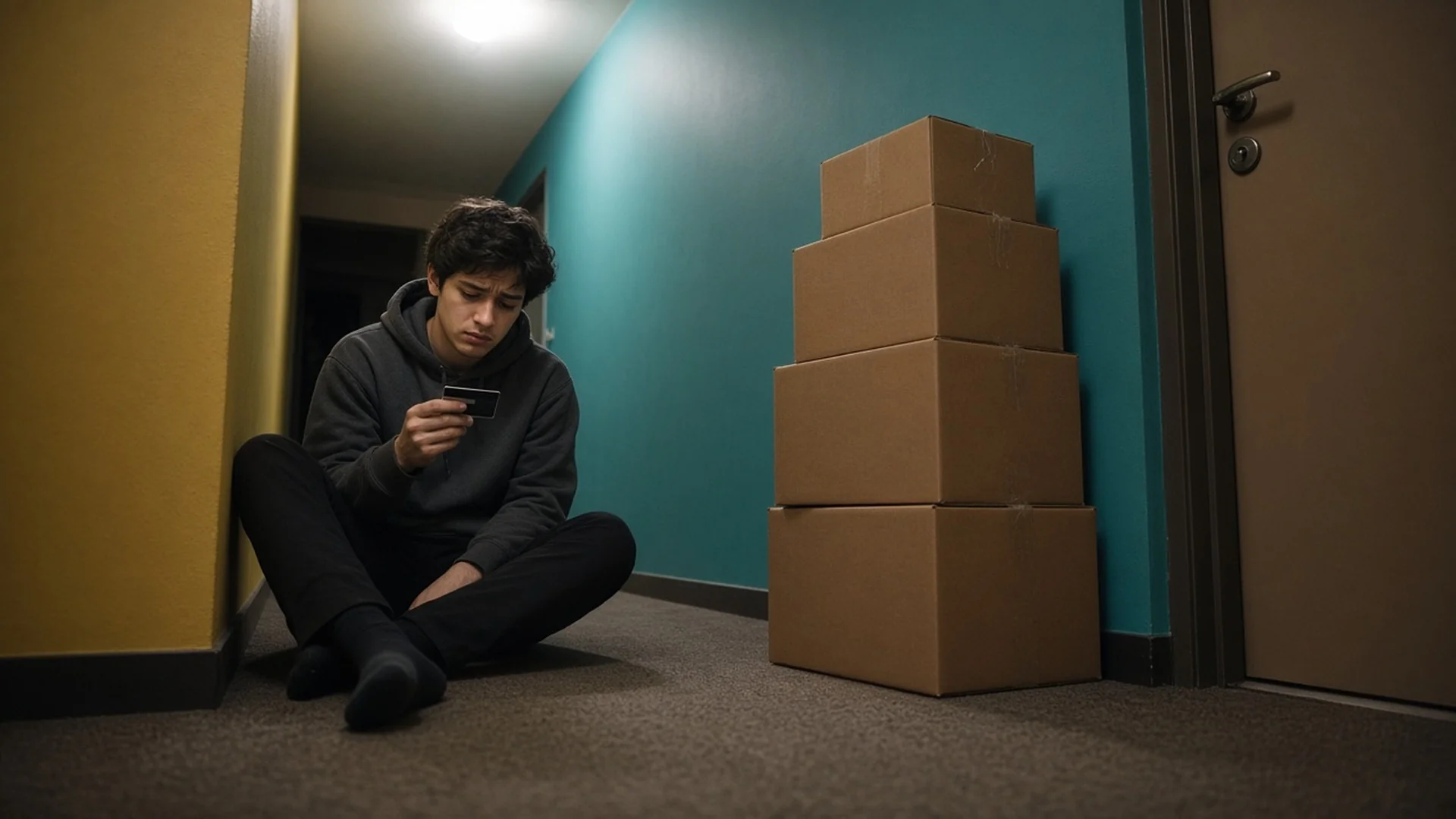
Splitting a $120 grocery run into four payments of $30 feels manageable. Do that a few times across a few apps and it stops feeling like a convenience and starts looking like a second set of bills.
That’s the warning in an October 14 report from Click2Houston. As the cost of living squeezes household budgets, more people are using buy now, pay later (BNPL) services for everyday expenses, groceries included. Financial experts quoted in the story say that’s where the trouble starts.
“What I’m seeing is this normalization of financing everyday life,” Dr. Erica Rasher, who holds a Ph.D. in personal financial planning and is a certified financial therapist, told Click2Houston.
From wants to needs
BNPL started out helping people buy things they wanted. Rasher says it’s increasingly being used to cover things they need. “Financing a trip versus financing groceries are two very different financial stories,” she said.
National survey data backs that up. In LendingTree’s 2026 Buy Now, Pay Later Report, 29% of BNPL users said they’d used the loans for groceries, up from 25% a year earlier and 14% two years earlier. More than half of users, 54%, agreed they wouldn’t be able to make ends meet without BNPL. Among parents with kids under 18, that figure was 62%.
Why the burden stays hidden
The math of an installment plan is simple. The psychology isn’t.
“What it does is it shrinks the price psychologically, but you’re still paying the original amount,” Rasher said. “You can still be paying for last week’s groceries when you’re buying new ones.”
The bigger risk comes from stacking. One plan is one small payment. Several plans can mean, in Rasher’s words, “six little payments that are hitting your checking account for six different purchases on six different days.” Each one looks harmless on its own, which is exactly why the total is easy to miss.
LendingTree’s numbers suggest stacking is common. One in four BNPL users said they’ve had three or more BNPL loans open at once, and 63% have held more than one. Late payments are climbing, too: 47% of users said they’d paid late in the past year, up from 41% in 2025 and 34% in 2024. Most of those late payments were short, LendingTree said, with 72% of late payers saying their most recent one was no more than a week or so late.
Short doesn’t mean free. The Consumer Financial Protection Bureau has warned that while many BNPL lenders don’t charge interest, most charge late fees, can block you from future purchases until you catch up, and can send unpaid debt to collections. If your plan auto-pays from a bank account that comes up short, your bank may hit you with an overdraft or insufficient-funds fee as well.
A practical checklist
Rasher’s advice starts with a pause before you tap “pay in 4.”
- Ask the one question. “Could I afford to pay for this today without using buy now, pay later?” If the answer is no, the plan isn’t solving the problem. It’s postponing it.
- Take inventory. List every open plan, its payment amount, and its due date, plus your other upcoming bills. Add the installments together instead of judging each one separately.
- Check what’s left. After those payments, is there enough for housing, utilities, food, and transportation? If not, that’s your answer on the next purchase.
- Watch for the red flag. “If you’re already stacking payments across Klarna and Affirm and Afterpay, that is a huge red flag that tells you to maybe pump the brakes a little bit,” Rasher said.
- Stick to one plan at a time if you use BNPL at all. LendingTree recommends this because most payments come out of checking accounts, often every two weeks.
- Think about returns. LendingTree notes that returning a BNPL purchase can be more complicated than returning one made on a credit card. You may not be able to complete the return until the loan is paid off.
- If you’re late, ask. In LendingTree’s October tracker, 90% of people who asked for a BNPL late fee to be waived got it reduced or waived.
When BNPL is a symptom
If you regularly lean on installment plans to cover groceries or other basics, Rasher says to skip the shame and get curious. Look at your income, expenses, debt, and the timing of your cash flow. Is this a temporary gap between paychecks, or a steady mismatch between what comes in and what goes out?
The answer changes the fix. A timing gap might be solved by moving a bill’s due date. A real shortfall calls for different help, and Rasher points to nonprofit financial counseling, food assistance programs, and other community support that can cover immediate needs without adding debt.
She summed it up in one line: “Buy now, pay later can ultimately solve a timing issue, but not an affordability issue.”
That’s the distinction worth holding onto. Used once, for something you could already afford, BNPL is a payment tool. Used to fill the same hole every month, it’s a loan that keeps rolling over, just split into pieces small enough to ignore.
Sources and Further Reading
- Click2Houston, "Buy now, pay later: The hidden financial burden and what consumers need to know" (Paige Hubbard, Oct. 14, 2026)
- LendingTree, "BNPL Tracker: Nearly Half of BNPL Users Have Paid Late in the Past Year, Up for a Second Straight Year" (Matt Schulz, updated Oct. 14, 2026)
- Consumer Financial Protection Bureau, "Should you buy now and pay later?" (archived blog)