

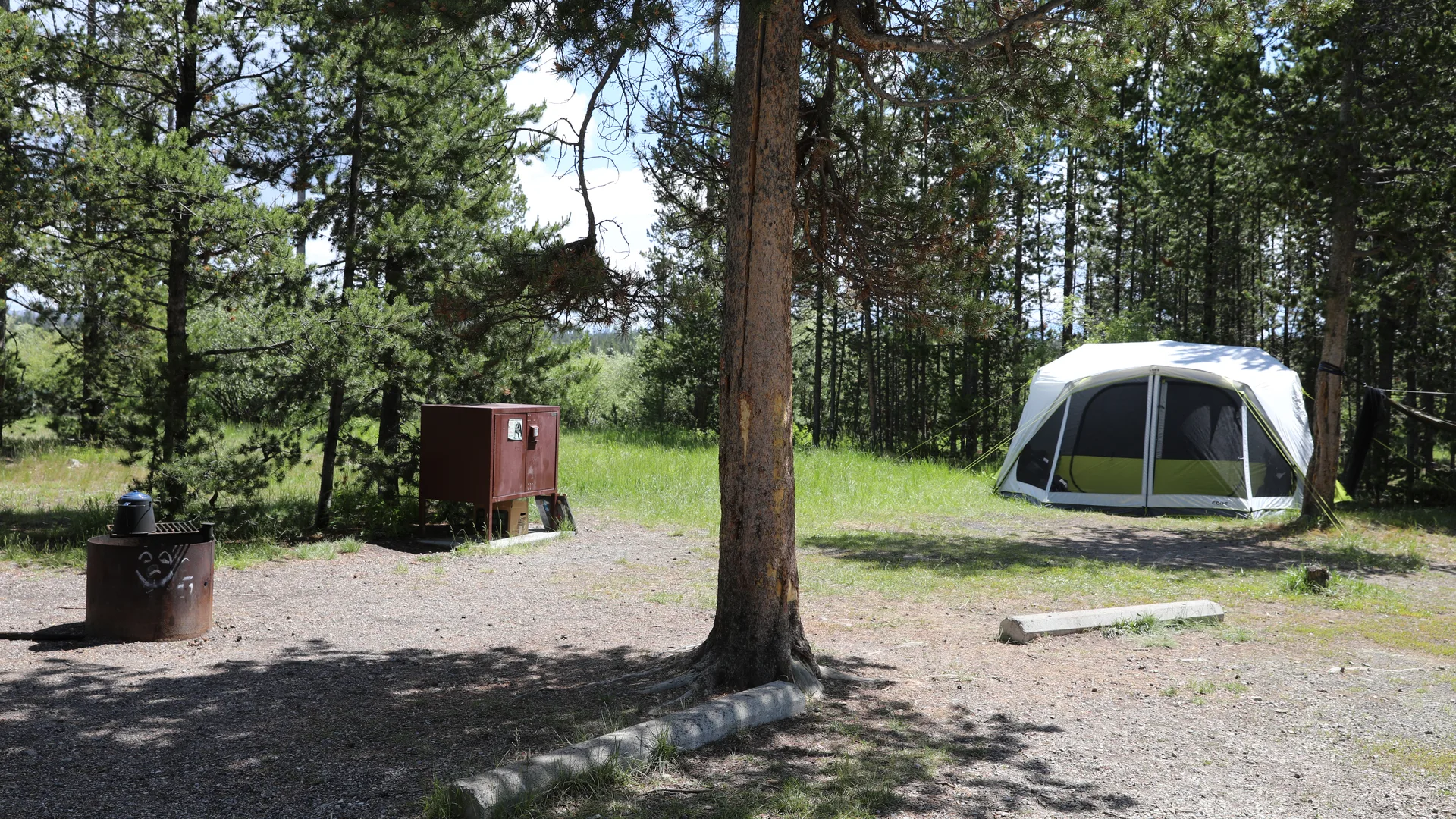
People ask how I got started as a social entrepreneur. They expect a software origin story. Mine starts with a camping trip we could not afford.
A summer trip we almost skipped
When my children were young, we camped every summer with a group of friends. This was our second or third year doing it. As the date got closer, we did not really have the money.
I was making about $75,000 a year, maybe a little less. Social work was my career. I had just gotten my MSW, and I thought that would lead to a solid path in human services. I also worked part-time construction to make ends meet.
We were still struggling. My wife did not work. We had two young boys, and I had two children from a previous marriage. The trip was only a few hundred dollars. We still did not have it.
Then my wife’s best friend called. She wanted us there. She and her husband offered to cover the cost and said we could pay them back whenever we had it. We went. We had a great time.
“You should talk to Gino”
While we were there, that same friend pulled me aside. She knew what we were going through. She said they had sat down with a friend named Gino, and she thought I should too.
I knew Gino. In my head, he was a tin knocker. That was the work I associated with him.
“No,” she said. “He does part-time financial services work, and I think you should talk to him.”
I respected her. She earned six figures, and her husband, who worked for UPS, made about the same. So I said yes.
Gino called. He came over with a colleague. They sat down, looked at my finances, and walked me through what they saw.
What I could afford, not what I needed
At the time, I had a $50,000 whole life insurance policy. I earned about $75,000, plus some side income that brought my total closer to $100,000. When they showed me what that policy actually did for my family, I was stunned.
They asked why I bought it.
I told them the truth. A woman came to my house while the kids were running around. She said, “Look, this is what you can afford.” Not what I needed. What I could afford. So I bought it.
When they showed me how the policy worked, how the cash value story eventually ran out, and explained the Theory of Decreasing Responsibility, I was blown away. In plain terms, they sold me what I was told I could afford.
That kitchen-table moment is still the clearest lesson I have about shopping for life insurance. Coverage should start with what your family would need if you were gone, not with a premium that feels easy in the moment.
A Thursday night in the back of the room
They asked me to a business meeting the following week. I said I was not interested in joining anything. They asked me to come, see it, and tell them what I thought. I felt I owed them that, so I went.
I was a new MSW at Hands Across Long Island, serving as program director and housing director. The organization had hired a consultant to train me. I asked her to go with me. She could not make the Thursday night meeting, but she told me to bring her the information so she could look into the company.
I went with another friend I trusted. We sat in the back. For about an hour, people spoke about different parts of a family’s financial picture. I kept a straight face. In my head, I kept thinking, “This is incredible.”
So many families struggle with money and feel stuck. A friend of mine had paid an American Express professional $1,000 for a financial analysis and a game plan. I could not afford $1,000 for a plan. I did not even think I had enough to put anything away.
This company did the analysis for free. They were not charging me for the analysis. The company paid them to provide the service via any products a client chose to implement.
I did not sign up that night. I said I would consider working with them part time, and I went home.
“The company checks out”
The next day I told the consultant what I had seen and handed her the materials. She said a friend in Princeton, New Jersey, was a vice president at a financial company, and she would ask her.
Monday morning she came back with an answer. The company checked out. It was a network marketing company. The products and business were legitimate, and the firm was part of the Travelers Group. She thought it might be a reasonable part-time way to increase my income.
That is how Primerica became my entry point into financial services and entrepreneurship. I became a client in 1999. Because of my criminal history, New York required a waiver, and approval took about two years. I worked as a representative from 2001 to 2004.
What that $50,000 policy still teaches
I am not here to re-litigate one old policy illustration. I am here because middle-income families still get pitched the same way I was: start with the premium you can stretch for, then call it a plan.
DFN’s editorial stance is buy term and invest the difference. We do not promote cash-value life insurance or any particular company. My story is one reason why. When the pitch centers on affordability instead of need, families can walk away underinsured while feeling like they did the responsible thing.
If you are reviewing coverage, start with a blunt question: if I died tomorrow, what would my family actually need to stay in the house, keep the lights on, and buy time? Then look at what you own. If the gap is ugly, that is useful information. Ugly and true beats comfortable and thin.
The Bottom Line
My start was not a pitch deck. It was a camping trip we couldn’t afford, a friend who introduced me to Gino, and a $50,000 whole life policy sold to me by an insurance agent based on what I could afford instead of what my family needed. That conversation changed how I think about protection, entrepreneurship, and why middle-income households deserve a clear needs-based look at their finances.
Your results will differ from mine. Read the disclosures. Check the numbers against your own life. And if someone leads with the premium before the need, slow down.
Disclosure: Dan Callahan, who publishes DailyFinancialNews.com, has been a Primerica client since 1999 and still uses its products. He worked as a Primerica representative from 2001 to 2004. He is a client, not a Primerica representative today, and DFN is not part of Primerica. This is one person’s story, not a typical result.
AI transparency: I used AI to condense this from my notes and draft and reviewed it before posting. Facts and quotes belong to the original source.
Photo: Campsite with tent, food storage box, and fire ring. Public domain, via Wikimedia Commons.